Career Education
Your Career Starts Here!
Welcome to Norco College's Career Education! Career Education programs allow students to explore career paths that they are passionate about while earning valuable experience and real-world skills.
Norco College offers both certificate and degree paths including opportunities to attend college at low- to no-cost to you!
Explore Careers
Click here to explore various career titles and salary information for high-demand CTE (Career and Technical Education) careers. Discover opportunities in fields that are growing and offering competitive wages.
Programs Available
Below you will find information about our apprenticeship opportunities and programs in the designated areas listed below.
- 3D Mechanical Drafting
- Architectural Graphics
- Computer Numerical Control (CNC) Operator
- Computer Numerical Control (CNC) Programming
- Construction Technology
- Construction Technology - Construction Management
- Conventional Machine Operator
- Digital Electronics
- Drafting Technology
- Electrician
- Electronics: Digital Electronics
- Essential 3D Tour
- Essential CAD
- Essential Fusion 360
- Essential Revit
- Essential Solidworks
- Facilities Maintenance
- Green Technician
- Industrial Automation
- Supply Chain Automation
- Business Administration - Concentration in Accounting
- Business Administration - Concentration in General Business
- Business Administration - Concentration in Logistics Management
- Business Administration - Concentration in Management
- Business Administration - Concentration in Real Estate
- Business Information Worker
- Entrepreneurial Essentials
- Entrepreneurial Foundations
- Entrepreneurship: Getting Started
- Entrepreneurship and the Team
- Entrepreneurship: Legal & Finance
- Logistics Management
- Real Estate: Salesperson & Transactions
- Registered Income Tax Preparer
- Retail Management WAFC
- Small Business Accounting
- Small Business Payroll Accounting
- Computer Information Systems - C++ Programming
- Computer Information Systems - Computer Programming
- Computer Information Systems - Graphic Design
- Computer Information Systems - Java Programming
- Game Development - Game Design
- Game Development - Game Programming
- Game Development - Game Development Core
- Game Development - Game Concept Art
- Game Development - 3D Game Modeling and Animation
Extended Learning Program
This professional development opportunity is designed to support students in obtaining the skills and knowledge to get a job, get a better job, or transition to college credit education. These courses focus on helping students build specific skills that are necessary for reaching their individual goals.
Learn More About FREE Career Skills & Professional Development
Meet the Team
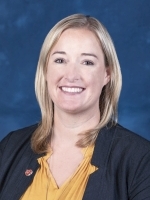 |
Ashley Etchison Dean, Career & Technical Education (951) 372-7086 Send Email |
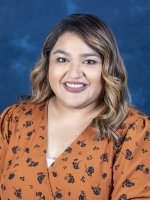 |
Paula Barrera Partida |
 |
VACANT Employment Placement Coordinator |
 |
Stephanie Karnes CTE Project Specialist (951) 738-7782 Send Email |
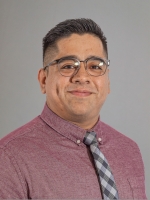 |
Christian Somoza STEM Program Coordinator (951) 372-7000 Send Email |
 |
Shazna Uduman Educational Resource Advisor (951) 739-7829 Send Email |
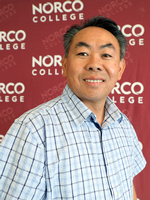 |
Lue Vang CTE Laboratory Technician (951) 372-7122 Send Email |
Employer Services
Norco College works hard to offer employment assistance and opportunities so that both current students and alumni have meaningful professional experiences with our local and regional employers.
To accomplish this, we work collaboratively with our industry and community partners. We are eager to assist you in promoting open job opportunities, preparing your next pool of applicants, and inviting partners to on- and off- campus networking events.
Paula Barrera Partida | Employment Placement Coordinator
Direct: (951) 372-7032 | Cell: (951) 203-3317
Send Email
Make an appointment today to discuss future partnerships!
Job Search/Online Job Board
Norco College’s partnered employers are able to post employment and internship opportunities at no-cost on our online job board, Jobspeaker. Using our job board allows you to post your opportunities across our partnered community colleges in the Inland Empire/Desert region. When posting, you will see the option to select which colleges/job boards you would also like to post –be sure to choose Norco College.
Register in just a few easy steps:
- Step 1: Go to norcocollege.jobspeaker.com and click “Sign-In.”
- Step 2: Under “Need an Account?”- select “Employers” to create your account
- Step 3: Complete your “Employer Profile”and start posting today!
After first login
- – update your settings by clicking the gear icon on the top right corner, enter contact
information, title, and other information that you would want students and industry
partners to see. Then click, save!
Click here to access the Employment Advertising Guidelines
On-Campus Recruiting
Employers may request an opportunity to conduct on-campus recruitment. There are two opportunities, either an “Information Presentation” (Workshop) or an “Information Booth.” For more information, contact Paula Barrera, Norco’s Employment Placement Coordinator.
Employment Services
Career Education’s Employment Services help students and alumni achieve their career goals through developing work experience through on- and off-campus employment opportunities; connect with employers in the community; and providing employability preparation through individualized services, workshops, and customizable events.
Paula Barrera Partida | Employment Placement Coordinator
Direct: (951) 372-7032 | Cell: (951) 203-3317
Send Email
Make an appointment today! Meet with Norco College’s Employment Placement coordinator
to help you job search, review your resume/cover letter, or prepare an upcoming interview.
Calendar of Events
Job Search/Online Job Board
Steps to Log In:
- Go to norcocollege.jobspeaker.com
- Click “Sign In” on upper right-hand corner
- Select “Norco Login” and use single-sign on option
Use your “Mustang.Student”@student.rccd.edu email and password
Visit our NC Connect Powered By Jobspeaker YouTube Playlist to learn more and steps on how to activate your student account.
Keep an eye out, more step-by-step videos coming soon!
Resume and/or Cover Letter Review
Need help with your resume or cover letter? Spruce it up – schedule an appointment with Norco’s Employment Placement Coordinator. Select “Make Appointment” button above.
Interview/Job Preparation or Practice
Are you feeling unprepared? Select “Make Appointment” button above to meet with Norco’s Employment Placement Coordinator to prepare for a job or practice interviewing.
Norco College
- Counseling
- Counseling Appointment
- Express Counseling
- College Catalog
- Dismissal Workshop
- Articulation
- Student Handbook
- Disability Resource Counseling
- EOPS/CARE/NextUp and CalWORKs Counseling
- General Education for Degrees
- JFK Students – Schedule an Appointment
- Transfer Questions
- TRiO, SSS, and SSS-STEM
- Norco College Success Network